
What To Do If Stung By Scorpion - How to Identify Scorpion Sting
Scorpion stings are painful and can be frightening, especially in Arizona where bark scorpions are common. While most stings cause temporary pain and tingling, some require immediate medical attention. Here's how to recognize the symptoms of a scorpion sting, what to do right away, and how to help prevent future stings around your home.
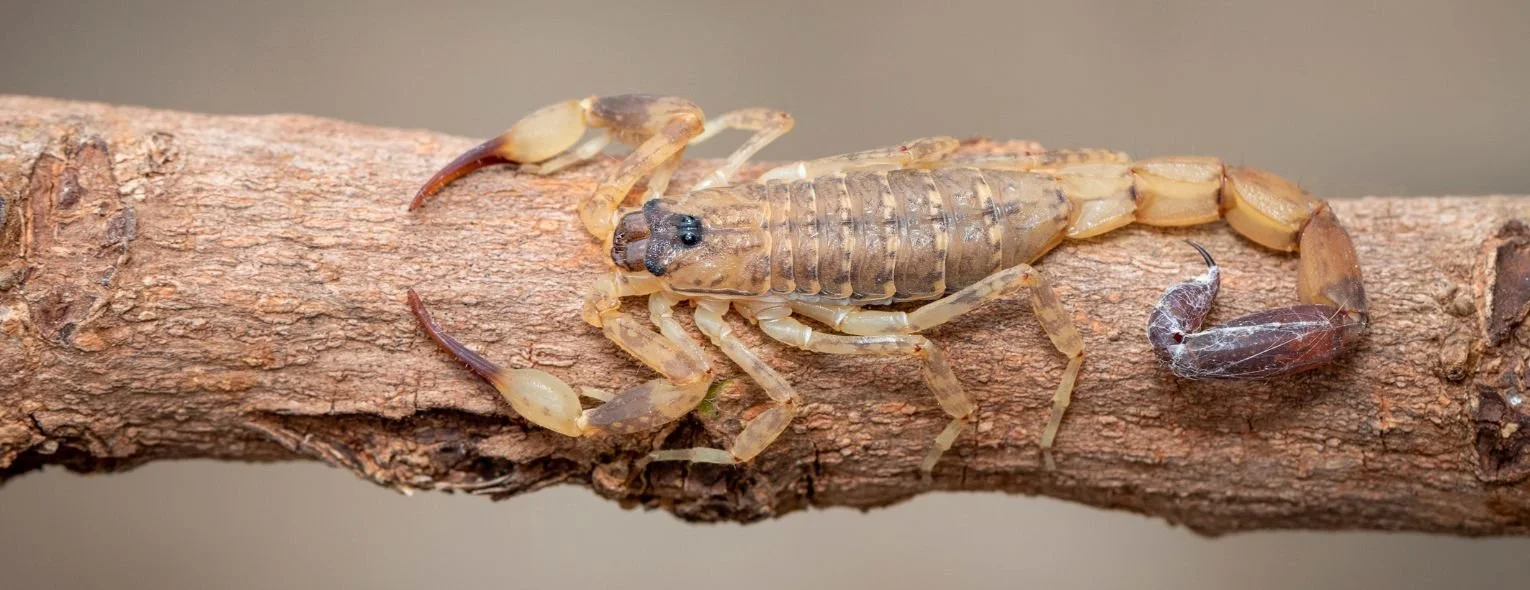
Where Do Scorpions Usually Sting People?
Most scorpion stings happen when you accidentally disturb a hidden scorpion. Common situations include putting on shoes left on the floor, reaching into storage boxes, moving firewood, gardening, or walking barefoot around the home at night. Arizona bark scorpions specifically are commonly found around rock landscaping, block walls, garages, irrigation boxes, and wood piles throughout Phoenix and surrounding areas.
How Serious Is a Scorpion Sting?
First of all, how do you know if you’ve been stung by a scorpion? It might be hard to tell a scorpion sting from something else, like a bee sting. There are a few ways in which you can distinguish that you’ve been stung by a scorpion, and not another animal.
🦂 Scorpion Sting Quick Facts
- Pain, tingling, and numbness are the most common symptoms.
- Arizona bark scorpion stings can cause more serious reactions.
- Wash the sting with soap and water as soon as possible.
- Apply a cool compress to help relieve pain and swelling.
- Seek immediate medical care if severe symptoms develop.
- Help prevent future stings by sealing entry points and scheduling professional scorpion control.
Common Symptoms of a Scorpion Sting
A scorpion sting can be surprising, but knowing what to look for can help you respond quickly and confidently. In many cases, the sting leaves little more than a small red mark or pinpoint puncture that may not look severe at first. However, the pain often develops almost immediately and can be much more intense than the sting's appearance suggests. Symptoms vary depending on the type of scorpion and the individual's reaction, ranging from mild discomfort to more serious medical concerns.
Mild Symptoms
Some mild signs and symptoms of a scorpion sting often begin immediately and include pain, which will most likely be more intense than a bee sting; numbness and tingling in the area around the sting; and slight swelling. These symptoms improve over several hours, although numbness can linger into the following day. If you have a more severe reaction, it will actually be easier to tell that what you have been stung by is a scorpion, because the symptoms are so unique.
Severe Symptoms That Require Immediate Medical Care
More severe symptoms typically develop within the first few hours after the sting. These include muscle twitching or thrashing; unusual head, eye, and neck movements; drooling; vomiting; severe sweating; high or low blood pressure; accelerated or irregular heartbeat; or restlessness or excitability.
What To Do Immediately After a Sting
If you're stung by a scorpion, the first step is to stay calm. Wash the affected area gently with soap and water to help keep it clean, then apply a cool compress for about 10 minutes at a time to help reduce pain and swelling. If the sting is on an arm or leg, keeping the limb elevated may also help minimize swelling. Most scorpion stings cause localized pain and tingling that gradually improves over time, but it's important to continue monitoring your symptoms closely during the next several hours.
When Should You Go to the Hospital?
Although most stings are painful rather than dangerous, Arizona bark scorpion stings can occasionally produce more serious reactions. If you notice worsening pain, numbness that spreads, difficulty breathing, muscle twitching, or trouble swallowing, seek emergency medical care immediately and go to your nearest doctor or emergency room, or call a poison helpline.. Young children are especially sensitive to bark scorpion venom and should be evaluated promptly if symptoms appear severe.
How to Prevent Future Scorpion Stings
The best way to avoid a scorpion sting is to reduce the chances of scorpions getting inside your home in the first place. Seal cracks and gaps around doors, windows, and your home's foundation, keep landscaping trimmed away from the house, and remove piles of debris where scorpions like to hide. It's also a good idea to shake out shoes, clothing, and towels that have been left on the floor or outside. Since scorpions feed on insects like crickets, cockroaches, and spiders, regular pest control can help reduce their food source and make your home less attractive to them.
Professional Scorpion Control
If you've seen a scorpion in your home, there may be more nearby. Varsity's professional scorpion control includes a thorough inspection to identify entry points and hiding places, along with a customized treatment plan. If you've seen a scorpion in or around your home, don't wait for another encounter. Schedule a professional scorpion inspection with Varsity today and ask about our Scorpion Home Sealing service.
Medical Disclaimer: This article is intended for educational purposes only and should not replace professional medical advice. If you experience severe symptoms after a scorpion sting, seek emergency medical care immediately.
